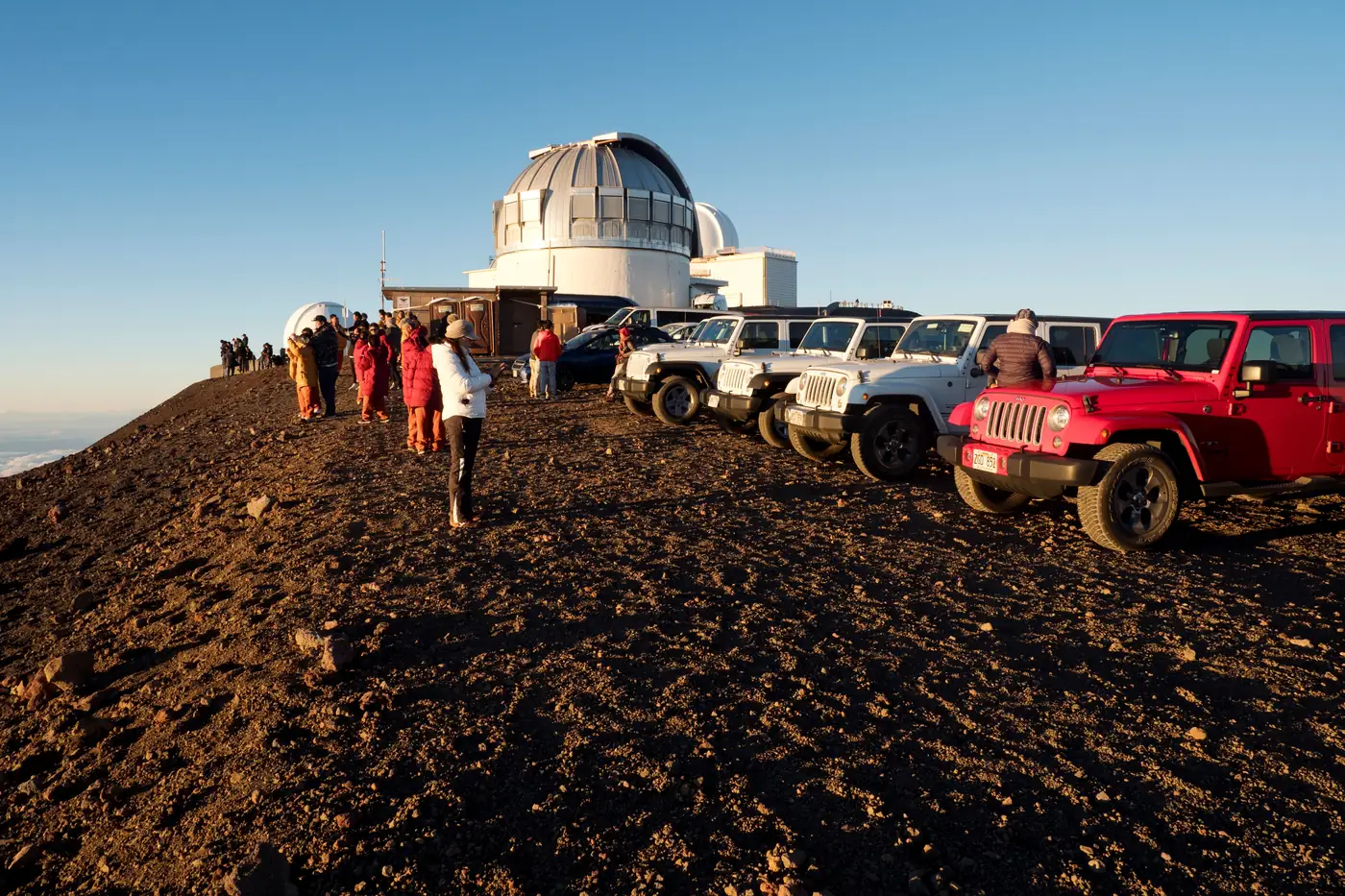
People ask us all the time if they need a 4x4 to visit Hawaii Volcanoes National Park. Short answer: no. Every single road inside the park is paved. A sedan works fine. A convertible works fine. A minivan full of kids works fine. Save the 4x4 for Mauna Kea, where you actually need it.
That said, there is a lot about visiting the park that nobody tells you until you are already there. I have driven through it more times than I can count, brought friends, family, and first-time visitors, and the same questions come up every time. So here is everything I wish someone had told me before my first trip.
The Two Roads You Need to Know
Hawaii Volcanoes National Park has two main drives. That is it. Two roads and you have seen the highlights. Sounds simple, and it mostly is, but each one is a completely different experience.
Crater Rim Drive
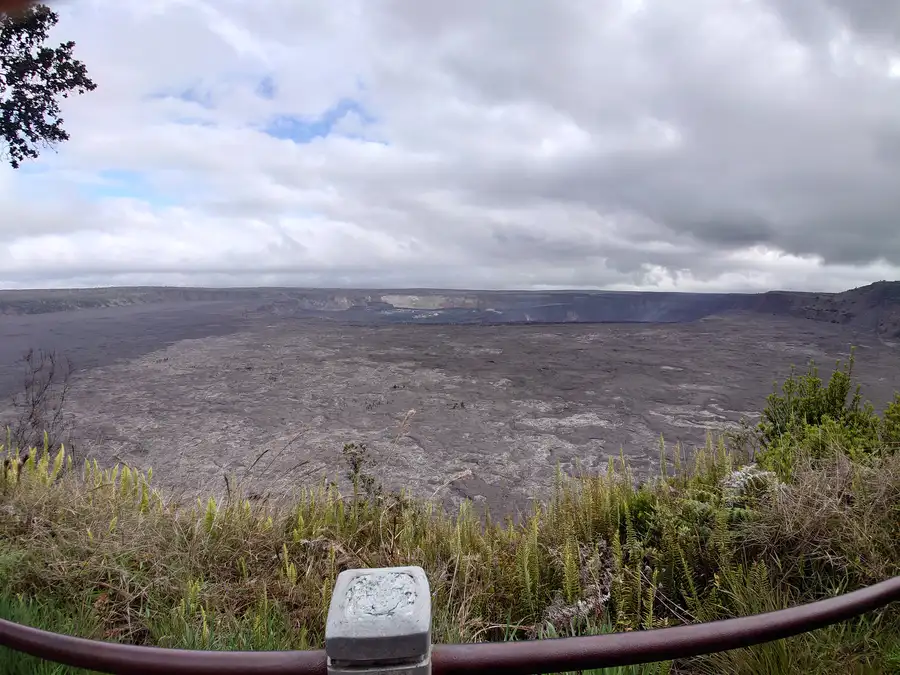
This is the loop road that circles the Kilauea summit caldera. About 11 miles around, mostly two lanes, well maintained. You will stop constantly. Not because of traffic (there is rarely any), but because every overlook is worth getting out of the car for.
The big stops along Crater Rim Drive:
- Kilauea Overlook and Steam Vents - Your first look into the caldera. Steam rising from cracks in the earth right next to the parking lot. Kids lose their minds here.
- Jaggar Museum overlook - The museum itself closed after the 2018 eruption, but the overlook area is still the best panoramic view of the caldera. This is where you want to be at dusk if the crater is glowing.
- Thurston Lava Tube - A 500-foot walk through an actual lava tube. Lit, paved, and the ceiling is high enough that you do not have to crouch. Gets crowded midday. Go early.
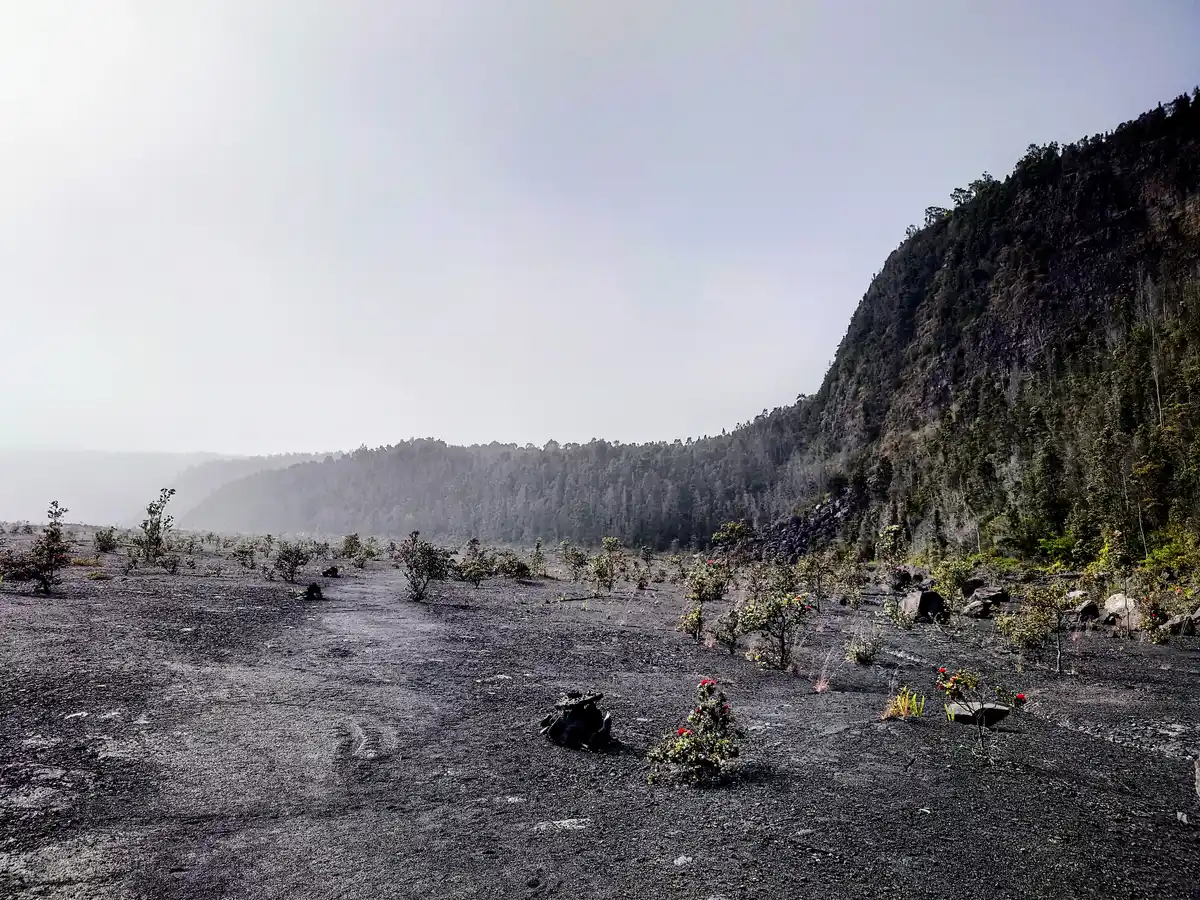
- Devastation Trail - A short boardwalk across a landscape that looks like the surface of the moon. Cinder fields from a 1959 eruption with little ohia trees slowly growing back. Genuinely eerie. Takes about 20 minutes.
You can drive the whole loop in 45 minutes without stopping. You will not do it in 45 minutes. Budget two to three hours minimum.
Chain of Craters Road
This one goes down. Way down. It drops from about 4,000 feet at the summit all the way to sea level over 18.8 miles, ending abruptly where a lava flow swallowed the road in 2003. You cannot miss the end. There is a wall of rock where pavement used to be.
Chain of Craters Road is one-way down and one-way back up (same road, not a loop), so budget about two hours round trip with stops. The drive itself is wild. You pass old craters, cross massive lava fields that stretch to the ocean, and at the bottom there is a short walk to the Holei Sea Arch, a natural lava arch carved by waves.
One thing nobody mentions: bring snacks. There is nothing to buy on Chain of Craters Road. No food stands, no vending machines, no gift shops. Just you, the lava, and the ocean.
Entrance Fee and Park Hours
The Hawaii Volcanoes National Park entrance fee is $30 per vehicle. Not per person. Per vehicle. So pack the car full, bring the whole family, it does not matter. Thirty bucks and you are in for seven days.
If you have an America the Beautiful pass (the $80 annual national parks pass), it covers admission. Worth it if you visit two or more national parks a year.
Hawaii Volcanoes National Park hours: the park is open 24 hours a day, 365 days a year. The visitor center closes at 5 PM, and Thurston Lava Tube is only accessible during daylight hours, but the roads and overlooks are always open. Some of the best caldera viewing happens after dark when the glow from the crater lights up the steam clouds.
What Car Do You Actually Need?
Every road in the park is paved and well maintained. You do not need a truck, SUV, or 4x4. A regular car handles it all, including Chain of Craters Road. The road down is steep in spots, but it is a normal paved two-lane highway with guardrails. Your brakes do all the work.
What I actually recommend: something comfortable for a long day of driving with good visibility. An SUV if you want the elevated view, a convertible if the weather cooperates (the park sits at 4,000 feet so it can be cool and rainy up top), or honestly anything in our fleet. The park is about two hours from Kona, so you want a car you enjoy being in for a full day.
Getting There from Kona
From Kailua-Kona, take Highway 11 south through Captain Cook, Kealakekua, and the coffee belt. It is about 96 miles and takes roughly two hours. The drive is beautiful on its own. You climb from sea level through coffee country, macadamia nut orchards, and rainforest.
Or go the long way around through Hilo on Highway 19 (the Hamakua Coast route). Takes about 2.5 hours but you can stop at Laupahoehoe Point for sunrise on the way and then loop back to the park. That is a full Big Island day.
Gas up before you enter the park. The nearest gas station is in Volcano Village, about a mile before the entrance. There is nothing inside the park.
Volcano Village: Worth a Stop
Volcano Village sits right outside the park entrance. It is a tiny town in the rainforest at about 3,700 feet elevation. Cooler temperatures, misty air, and a completely different vibe from the Kona coast. A few things worth knowing about:
- Volcano House hotel sits right on the crater rim inside the park. It has been there since 1846 (rebuilt a few times). The restaurant has a view directly into the caldera. Even if you do not stay there, walk through the lobby and look out the back windows.
- Kilauea Lodge in the village does a solid dinner if you are staying late for the crater glow.
- Thai Thai Bistro - random, I know, but it is legitimately good and open for lunch.
Tips from Someone Who Goes All the Time
A few things I have learned from doing this drive dozens of times:
Bring layers. Kona is 85 degrees. The park is 65 and raining sideways. Every single time I bring someone, they are underdressed. Throw a hoodie in the car.
Go early or go late. The park sees the most visitors between 10 AM and 2 PM. Before 8 AM, you can walk through Thurston Lava Tube basically alone. After 4 PM, the crowds thin out and the light gets good for photos.
If the crater is active (check the USGS Hawaiian Volcano Observatory website before you go), the glow is best after sunset. The Jaggar Museum overlook area is the spot for it. Bring a blanket and sit on the wall. It is cold up there at night.
Do Chain of Craters Road first thing in the morning. The light on the lava fields at sunrise is something else, and you will have the road almost entirely to yourself.
The park is at 4,000 feet and gets about 100 inches of rain a year. Your rental car windshield wipers are going to get a workout. Every car in our fleet is well maintained and ready for it.