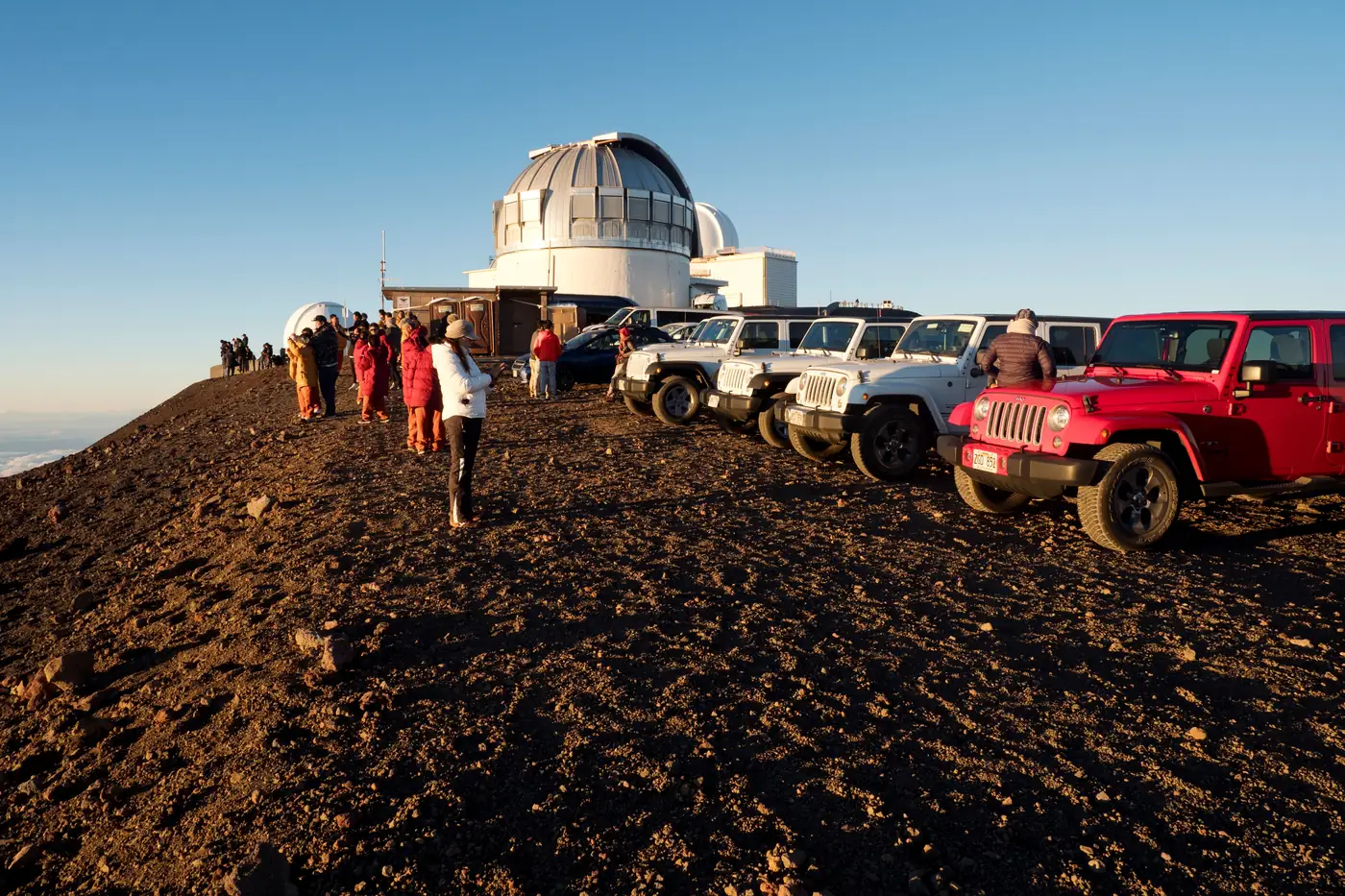
Mauna Kea stargazing tours sell out weeks in advance on the Big Island. They cost $200 or more per person, they pick you up on their schedule, they drop you off when they decide the night is over, and you spend the whole experience surrounded by strangers. People book them because they assume there is no other way to get up there. There is.
What the Tours Are Actually Selling
A guided tour handles three things: transportation, warm gear, and narration. The van gets you up the summit road. The parkas and gloves they hand out keep you from freezing. The guide points out constellations and explains what you are looking at. That is the whole package.
If you have your own 4x4 or AWD vehicle, your own warm layers, and a free stargazing program run by actual astronomers, you have everything the tour provides. And the free program is real.
The Mauna Kea Visitor Information Station
The Onizuka Center for International Astronomy at 9,200 feet runs free public stargazing most clear evenings, typically from around 6 PM to 10 PM. Rangers and volunteers set up 11-inch and 14-inch telescopes and run laser-guided sky tours. You can see Saturn's rings, Jupiter's moons, nebulae, and star clusters in detail that most people have never experienced. The program has been running for decades. It is not a tourist show; it is run by people who study this sky for a living.
Call ahead or check their website before you go since cloud cover or high winds can close the program on any given night. The number is (808) 961-2180.
Going All the Way to the Summit
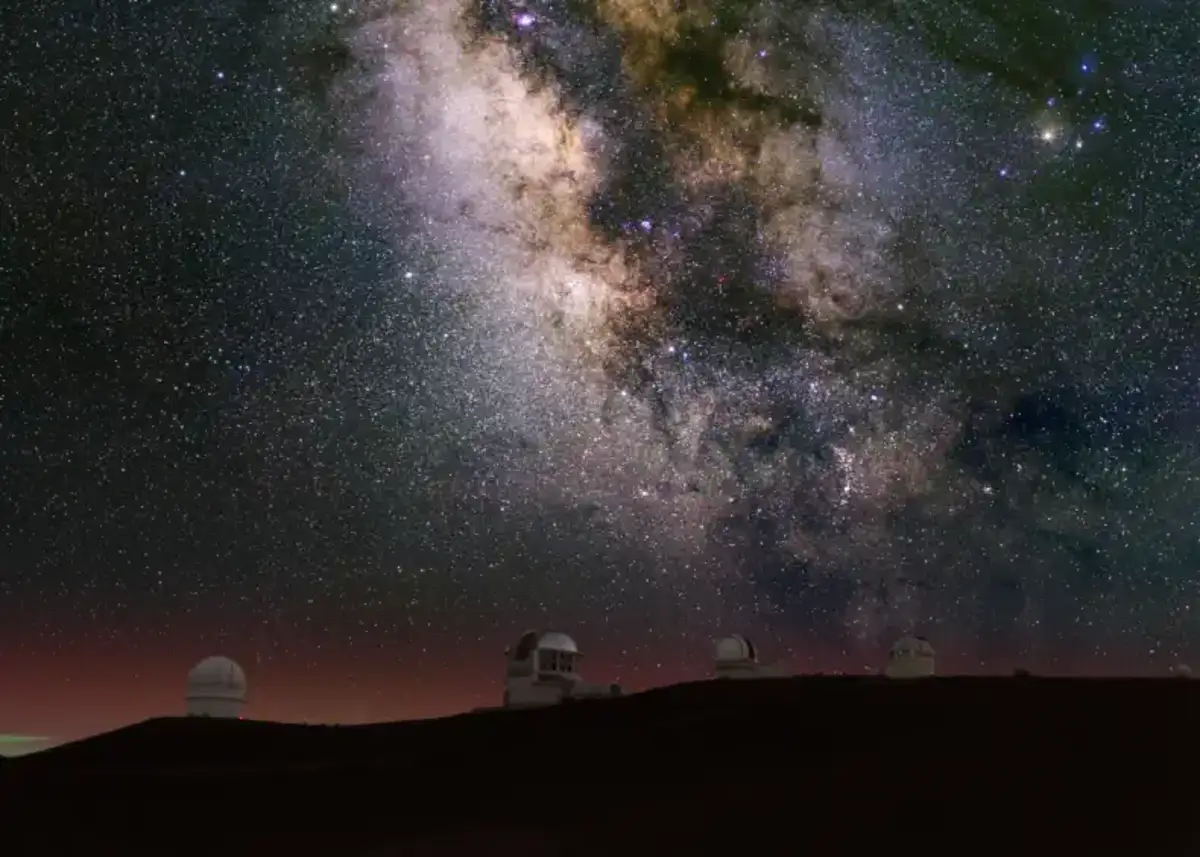
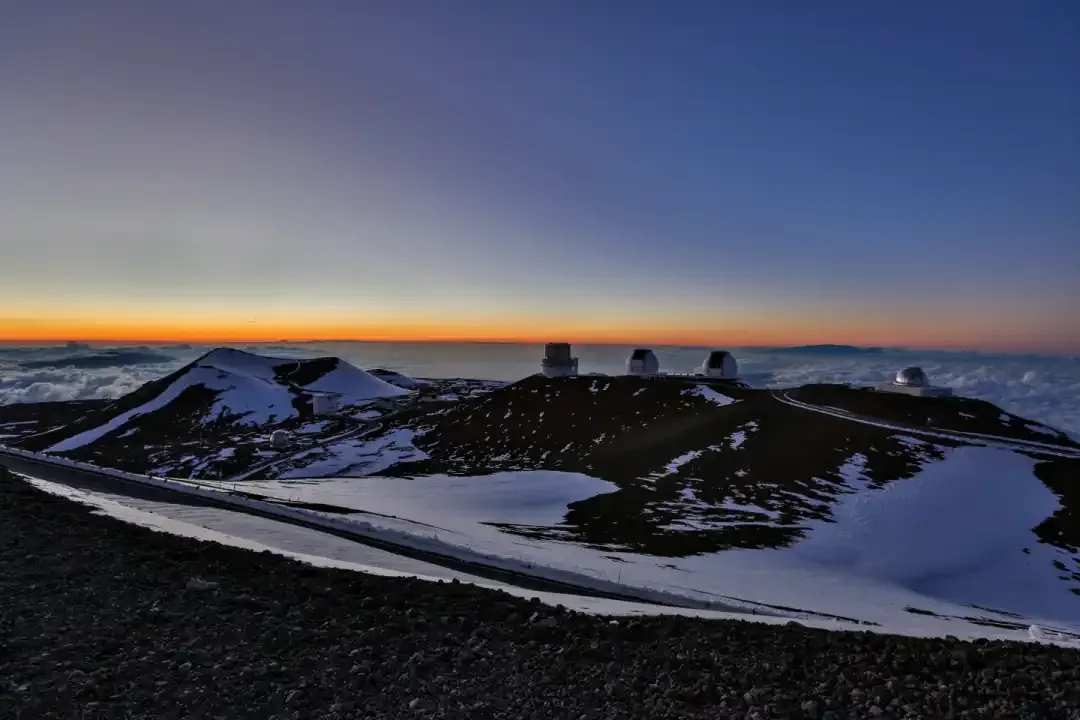
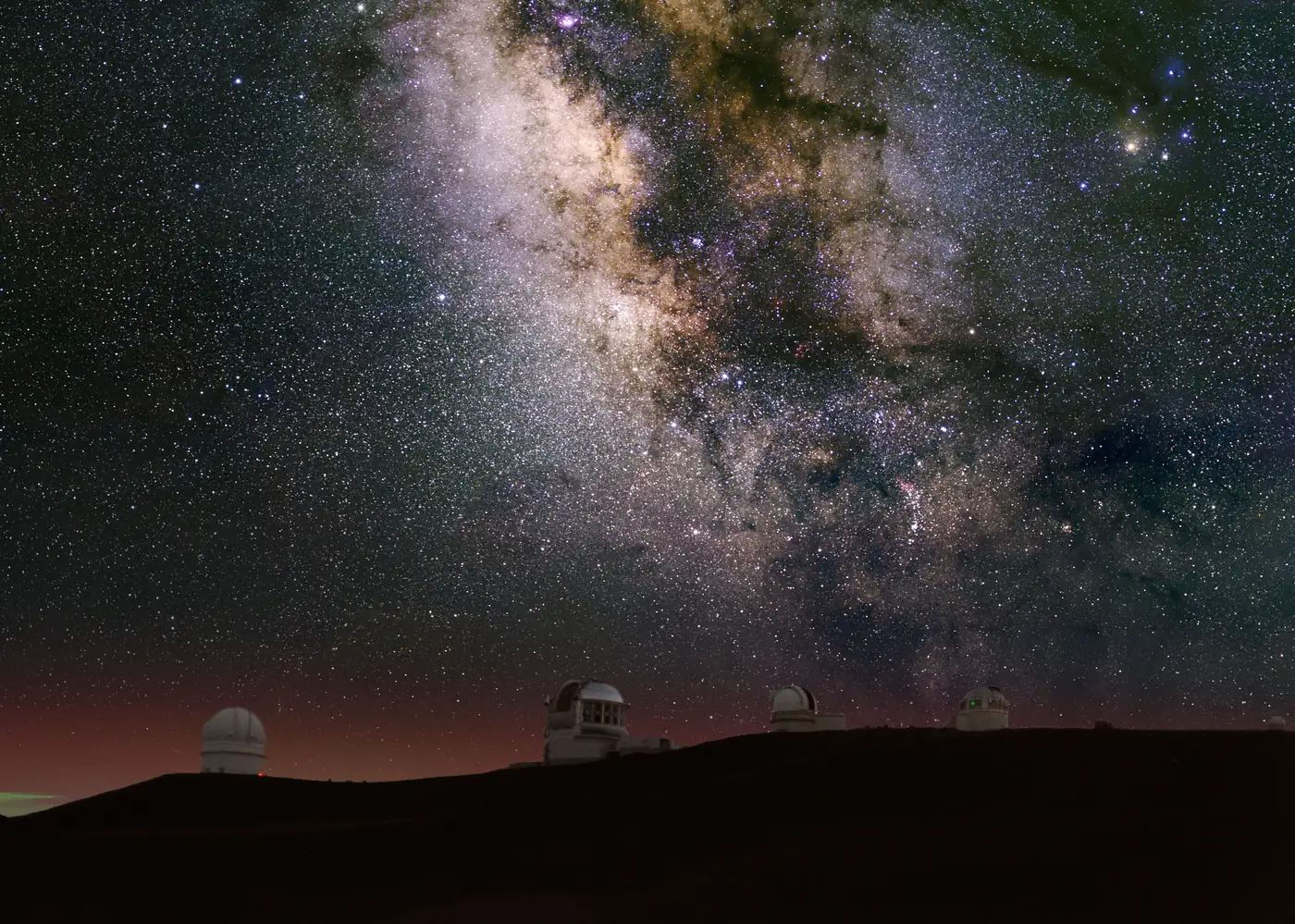
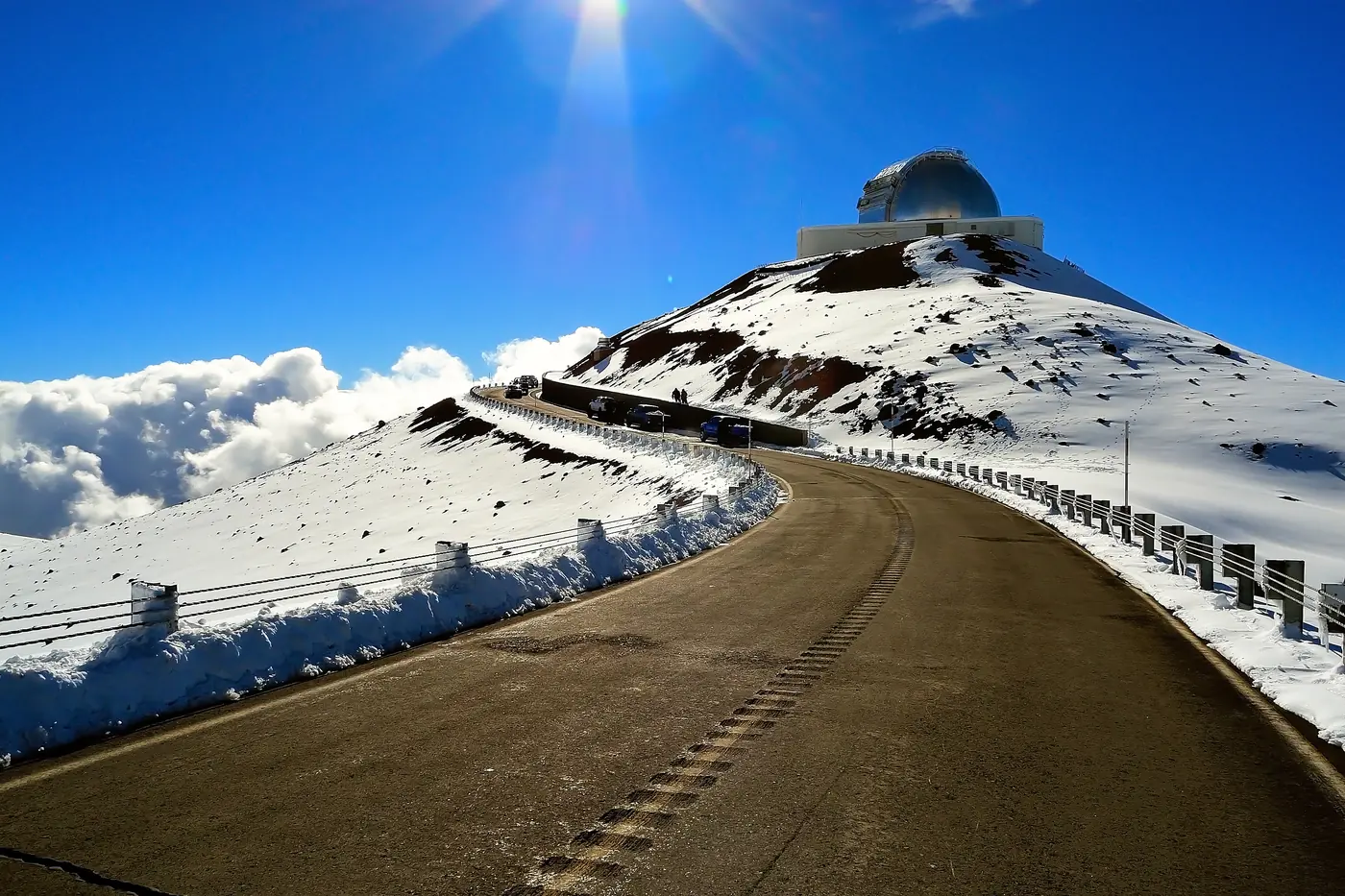
The visitor center at 9,200 feet is genuinely spectacular. But if you want to go to the top, 13,796 feet, above almost half the Earth's atmosphere, the view is on another level. The Milky Way at the summit is not a smear on the horizon. It is a structure with visible lanes and color.
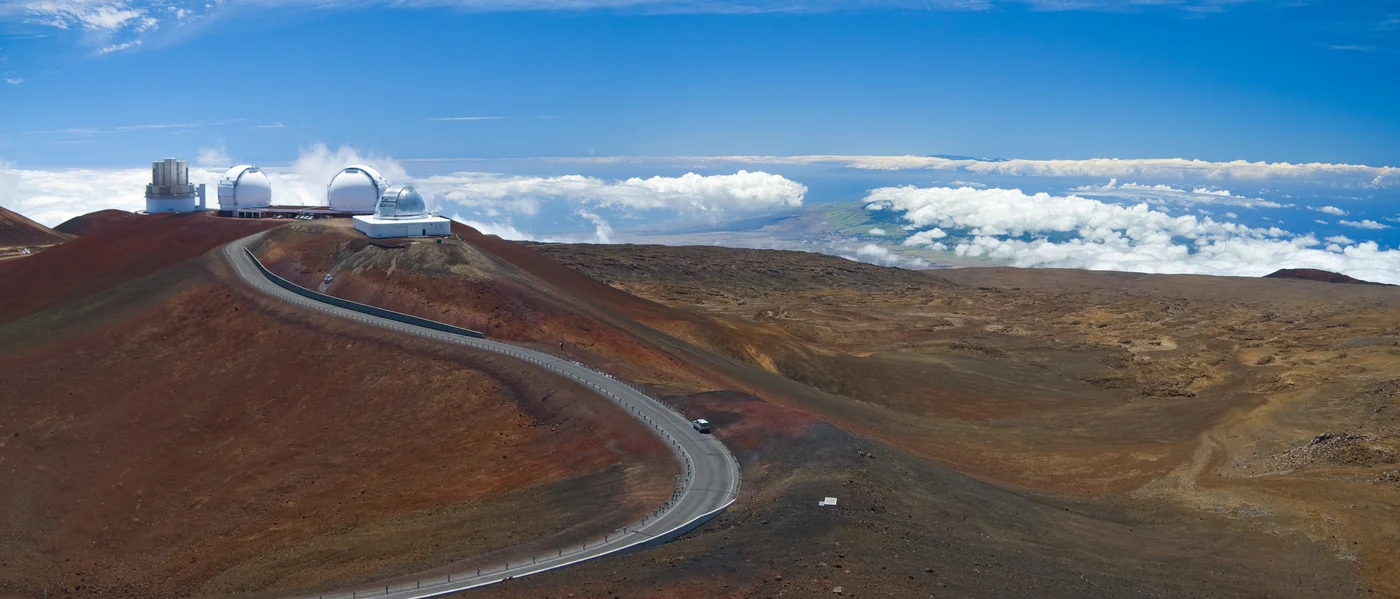
Getting there requires a 4x4 or AWD vehicle. The road above the visitor center is unpaved, steep, and loose gravel. 2WD vehicles are not allowed above the station and the rule exists for good reason. With the right vehicle you drive up, park, kill the engine, step out into the cold and the silence, and you have the same sky the tour groups are paying hundreds of dollars to see. Minus the schedule. Minus the strangers.
What to Bring
The one thing tours genuinely do better than most self-guided visitors is warm gear. People consistently underestimate how cold the summit gets. Even in summer, temperatures drop into the 30s Fahrenheit. Bring a proper winter jacket, not just a hoodie. Add a beanie, gloves, and a headlamp since the summit parking area is unlit. Bring water too; there are no services above the visitor center.
Spend at least 30 minutes at the visitor center before driving to the summit. The altitude affects people differently and pushing to 13,796 feet without acclimating first is how headaches and nausea happen.
When to Go
New moon nights give you the darkest skies. Weeknights are quieter than weekends at the summit. Arrive before sunset if you can; watching the sun drop below the cloud layer from above it, with the Pacific stretching in every direction, is worth the drive on its own. Then stay for the dark.
Getting There On Your Own
From Kailua-Kona, take Saddle Road (Highway 200) east. The Mauna Kea Access Road turns off between mile markers 27 and 28, about 55 miles from Kona. From Hilo it is about 34 miles. The road to the visitor center is paved the whole way. Above the visitor center, 4x4 or AWD required.
The Vehicle
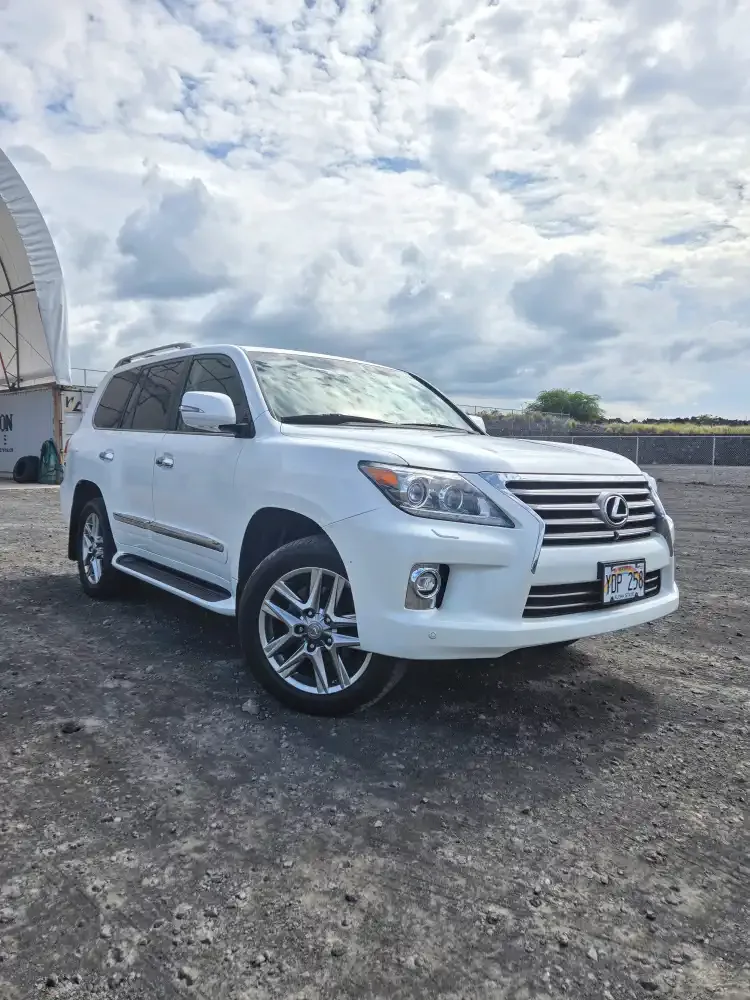
This is the one thing you actually need that the tour provides. The major rental chains at KOA prohibit off-road driving and most won't allow their cars above the visitor center. Mauka Hualalai Rentals is a local operation based in Kailua-Kona. Our 4x4 and AWD-equipped SUVs and trucks are built for this exact trip. We deliver to KOA, Hilo (ITO), or your hotel. Book one here and go up on your own terms.
The summit is open. The stargazing is free. The tour is optional.